What is Central Sensitisation and Why Do I Still Hurt After Healing?
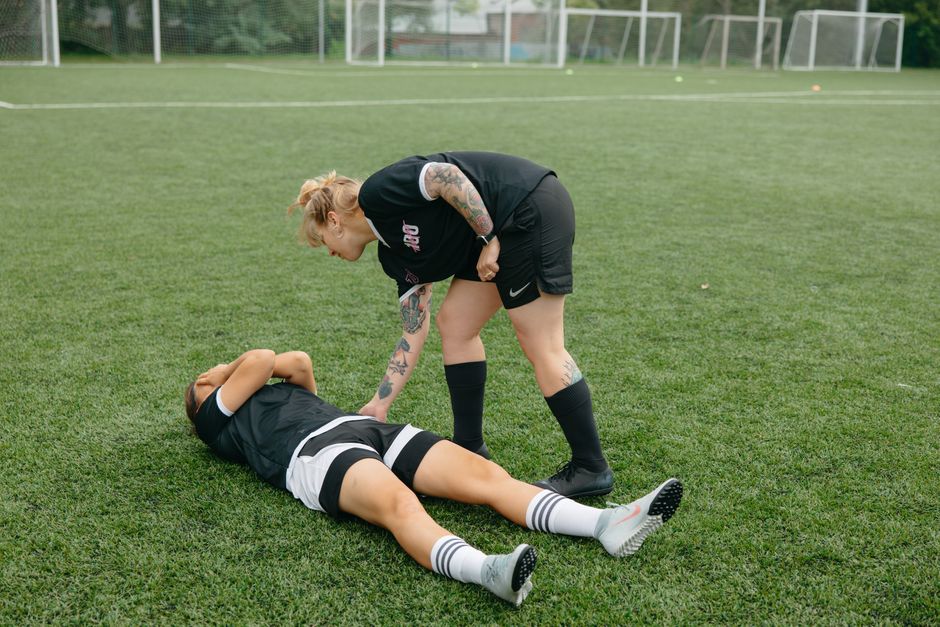
Anyone who's spent time playing football — whether in the gritty lower leagues or Sunday league battlefields — knows the frustration of pain that just won’t quit. You’ve nursed a dodgy knee or tight hamstring, thought you were all healed based on scans or physio, only to find the ache or sting persists. What’s going on when your body should be back to normal?
This phenomenon is often explained by something called central sensitisation, a term that sounds fancy but really boils down to your nervous system becoming overly sensitive to pain signals after injury. For footballers, especially those used to pushing through pain and carrying on, understanding this can be a game-changer in how you manage persistent pain and avoid further damage.
Football Culture and the Stigma Around Reporting Pain
Before diving into central sensitisation itself, it's important to recognise the culture around pain in football.
- “Playing through the pain” is often worn as a badge of honour.
- Young players are sometimes discouraged—by coaches, teammates, or even themselves—from reporting pain early out of fear of looking weak or losing their spot.
- This mindset can lead to neglected injuries turning into stubborn, long-term problems.
But ignoring pain doesn’t make it go away. It can make the underlying issue trickier to fix, and sometimes, it leads to the nervous system becoming hyper-alert—what we call central sensitisation.
Understanding Central Sensitisation
Central sensitisation is when your nervous system—in particular your brain and spinal cord—starts to amplify pain signals. So, https://bizzmarkblog.com/what-substances-are-banned-at-all-times-vs-in-competition-a-footballers-guide/ even if the original tissue damage has healed, your body “remembers” that pain and remains on high alert.
Think of it as a faulty alarm system. Instead of ringing only when there’s a real problem (like a fresh injury), it starts going off randomly or stays ringing long after the incident.
How Does Central Sensitisation Develop?
- Initial injury: Tissue damage triggers pain signals sent to your spinal cord and brain.
- Healing: The tissue repairs over weeks or months.
- Persistent pain: Despite healing, your pain system stays sensitised, making even gentle movements feel painful.
- Amplification: Your nervous system may start reacting to harmless stimuli or even produce pain signals without any physical cause.
This heightened pain state is often seen in chronic pain conditions like persistent knee pain after football injuries, and it can contribute to long-term issues such as osteoarthritis with ongoing discomfort.
Why Do I Still Hurt After Healing?
Let's get clear on this: pain is not always a direct reflection of tissue damage. Unfortunately, even when the scans look fine and the physio says your injury is healed, pain can linger because of central sensitisation.
Here are some common reasons football players might experience persistent pain after their injury has technically healed:
- Imperfect healing: Tissue may repair but not restore full strength or alignment, leading to subtle instability or overload.
- Cumulative loading: Repeated stress on previously injured tissue or nearby areas can keep triggering pain.
- Central sensitisation: Nervous system amplifies pain signals independent of actual tissue condition.
- Psychological factors: Stress, fear of reinjury, and anxiety can worsen pain perception.
Long-Term Outcomes: Osteoarthritis and Persistent Pain
Years down the line, players with past knee injuries face a greater risk of developing osteoarthritis (OA). OA is essentially wear and tear on the joint cartilage combined with joint inflammation, causing pain, stiffness, and reduced function.
Here’s where central sensitisation complicates things further—it can make the OA pain feel disproportionately worse than what imaging suggests. It means managing symptoms is not just about looking after the joint but also calming down the nervous system.
Active Rehab: Graded Exercise and Strengthening to Tackle Central Sensitisation
If pain persists but your injury has healed structurally, your best friend becomes active rehabilitation. This approach helps “retrain” your nervous system to normalise its response to movement and reduce pain sensitivity.
Why Not Just Rest?
One of my pet peeves is hearing vague advice like “just rest it” or “stop training for a bit.” Rest for too long, especially if you’re used to the active football lifestyle, can make pain worse by encouraging stiffness, loss of muscle strength, and nervous system hypersensitivity.

Instead, the evidence points to gradual, controlled loading to desensitise the nervous system and rebuild tissue resilience.
Steps to Effective Graded Rehab
- Assess current function: Work with a physio to check range, strength, and pain triggers.
- Set manageable goals: Don’t expect to sprint full throttle on day one — progress in small steps.
- Start with low-load exercises: Controlled movements that don’t flare up pain, such as gentle cycling or swimming.
- Gradually increase load and complexity: Add strength work like squats, hamstring curls, then sport-specific drills over weeks.
- Include pacing and consistency: Avoid binges of intense training followed by rest — steady is key.
By following these steps, you’re helping your body and mind recalibrate pain signals. Many players report significant improvement just by staying active with the right guidance.
Medical Cannabis: An Emerging Option for Persistent Pain?
Some clinics now offer pathways for medical cannabis as an adjunct treatment for chronic pain—including musculoskeletal conditions common in footballers. While not a magic bullet, it’s considered in cases where traditional therapies fall short.
For anyone considering this, be sure to check out UK Anti-Doping (UKAD) guidelines as cannabis remains prohibited in competition and can affect eligibility.
Key Points on Medical Cannabis Use in Football
Aspect Note Legal status Available via private clinics in the UK but tightly regulated. UKAD rules Prohibited in-competition; allowable out-of-competition with a TUE (Therapeutic Use Exemption) is rare. Effect on pain May help reduce neuropathic or centrally sensitised pain but responses vary. Side effects Includes drowsiness, cognitive effects; suitability must be medically assessed.Like all treatments, cannabis should be part of a broader strategy including rehab and lifestyle modifications, not a stand-alone cure.
Final Thoughts: What Changed in the Last Six Weeks?
If you’re a footballer or just a passionate weekend warrior struggling with persistent pain after an injury, always ask yourself or your physio:
“What has changed in the last six weeks to make my pain worse or better?”
Often, persistent pain isn’t about one big injury but minor cumulative changes—like increased training, altered technique, or even stress levels—that heighten the nervous system’s sensitivity.
Pay attention to patterns, stick to a simple, consistent rehab routine, and don’t shy away from reporting pain early—no matter how “tough” the https://smoothdecorator.com/what-is-central-sensitisation-and-why-do-i-still-hurt-after-healing/ team culture might be. That’s the real strength.
Useful Resources
- UK Anti-Doping (UKAD) Website - Guidance on Medical Cannabis and Doping Rules
- Private Clinic Pathway for Medical Cannabis
- Royal College of Surgeons - Osteoarthritis Info
Remember: Persistent pain after injury is frustrating, but it’s rarely just “in your head.” It’s a complex, real condition that needs smart, patient, active management—not vague rest advice or playing injured through the pain. Looking after your nervous system is as important as looking after your knees.
Stay strong, keep active, and listen to your body the proper way.