Wellness Package Ideas – What Combinations Do Customers Actually Book?
In today's world, wellness isn't about choosing between modern medicine and alternative therapies—it's about blending the best of both to support holistic health. Whether you’re a spa owner or a wellness practitioner looking to expand your service menu, understanding what wellness package combinations customers book most can guide you in creating offerings that resonate and bring real value.
In this article, we explore popular combo packages like reflexology plus massage, acupuncture treatment plans, and aromatherapy add-ons. We'll also look at the growing interest in non-medication approaches to managing stress and pain, the difference between therapy add-ons versus standalone sessions, and how wellness businesses can thoughtfully expand their menus. Plus, if you prefer listening to your content, be sure to check out the listen-to-this-article feature embedded here.
Understanding Customers’ Holistic Health Interests
More people are approaching wellness with a mindset that embraces both conventional medicine and complementary techniques. This means patients and clients often seek wellness experiences that support medical advice without trying to replace it.
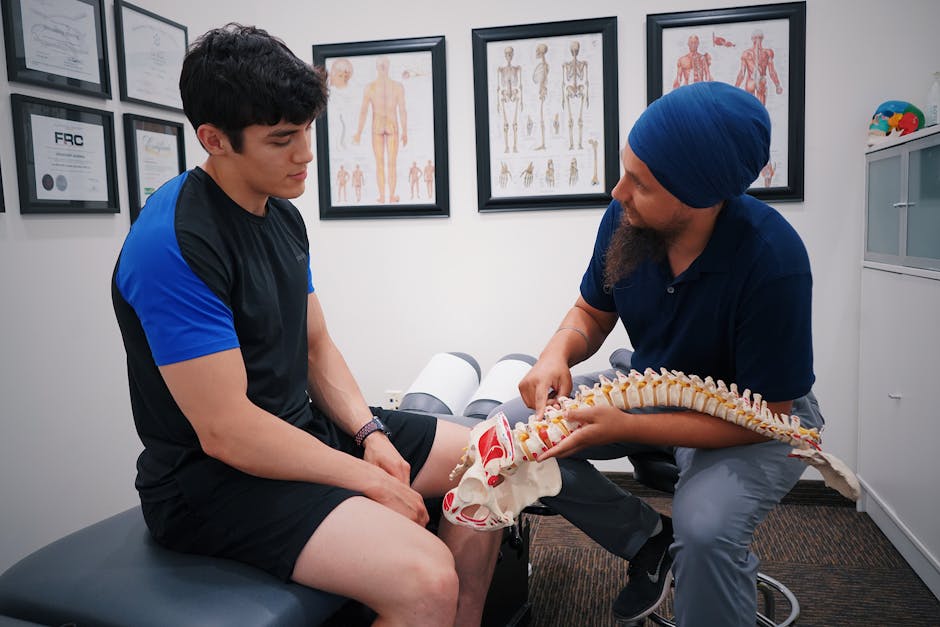
Think of it like reading a compelling book: modern medicine might be the "main storyline," providing essential facts and treatment, while alternative therapies are like fascinating side chapters that enrich the story by addressing stress, pain, and emotional wellbeing.
Customers booking wellness services generally fall into these categories:
- Those seeking symptom relief: People looking to complement medical treatments with stress reduction, muscle relaxation, or pain management.
- Those pursuing preventive care: Clients interested in longevity and resilience want regular self-care rituals that promote balance.
- Curious explorers: First-timers open to trying something new, often booking combination packages that include introductory sessions.
Popular Wellness Package Combinations Customers Actually Book
1. Reflexology Plus Massage
Why it works: Reflexology, which involves applying pressure to specific points on the feet, hands, or ears, pairs naturally with a full-body massage. While massage relaxes muscle tension and improves circulation, reflexology targets nerve pathways believed to correspond with different organs and systems.
What customers say: Clients often report feeling a deep sense of relaxation and mental clarity after a reflexology plus massage session. One client explained it as “winding down like finally closing a heavy book after a long day.”
Tips for businesses:
- Offer a time-efficient combo, like a 60-minute massage plus 30 minutes of reflexology to catch busy clients.
- Educate clients that reflexology is a supportive therapy—not a cure-all—helping to manage stress.
- Provide options for add-ons—some clients prefer reflexology as an add-on rather than a standalone.
2. Acupuncture Treatment Plans
Why it works: Acupuncture is frequently booked as part of a multi-session treatment plan tailored to specific goals like chronic pain, stress reduction, or support during illness. Unlike one-off sessions, treatment plans build on each previous session, creating sustained benefits.
What customers expect from the first session: A detailed consultation where the acupuncturist learns about health history, symptoms, and lifestyle, followed by gentle needle placements. Many clients find the first session calming but also an introduction to how the body might respond over time.
Tips for businesses:
- Clearly communicate what a first acupuncture session looks like to demystify the experience.
- Package multiple sessions with small discounts for returning clients.
- Combine acupuncture with lifestyle consultations or mindfulness coaching as value-added services.
3. Aromatherapy Add-On
Why it works: Aromatherapy uses essential oils to promote relaxation and mental clarity. Adding it as an add-on to existing services—like massage or facial treatments—lets clients enjoy enhanced relaxation without a significant time or cost commitment.
Popular pairings include:
Base Service Aromatherapy Benefits Client Feedback Swedish Massage Deeper relaxation, mood uplift "The lavender mix made the whole session feel peaceful, like a mental reset." Facial Enhanced skin soothing, stress relief "The calming scent helped me breathe easier and enjoy the facial even more." Reflexology Heightened sense of calm, added sensory experience "The aromatherapy took the foot massage from good to unforgettable."Tips for businesses: Keep essential oils organic and hypoallergenic where possible, and always check client preferences and allergies. Offer a menu of aromatic blends designed for stress, sleep, or focus.
Therapy Add-Ons Vs Standalone Sessions: What Do Clients Prefer?
Wellness businesses face an interesting choice: Should they offer therapies mostly as standalone sessions or as add-ons? The answer depends largely on client goals and convenience.
- Add-ons appeal to clients who want to enrich an existing treatment without spending extra time or booking separate appointments.
- Standalone sessions
In practice, many businesses find that layering options—like massage with aromatherapy add-on or a reflexology module included in a spa package—works well to attract a broad clientele. Transparency about what each add-on entails helps manage expectations and encourages clients to try something new without fear.
Non-Medication Approaches to Stress and Pain: The Real Appeal
Not everyone wants medication as their first option for managing stress or pain, and that’s okay. Wellness customers often look for natural, non-invasive ways to feel better:
- Massage alleviates muscle tension and boosts endorphins.
- Acupuncture can support the body's own pain regulation systems.
- Reflexology offers a gentle, comforting touch that some find emotionally grounding.
- Aromatherapy triggers positive mental responses through scent.
These therapies don’t replace medical treatment but offer complementary benefits by encouraging relaxation, improving sleep, and reducing anxiety. The important thing for practitioners is to avoid miracle-cure promises and instead foster realistic expectations based on client experience and reputable evidence.
Using Google Analytics & Cookie Preferences to Tailor Your Menu
To create wellness packages your customers actually want, leverage tools like Google Analytics to monitor booking patterns and website behavior. Track which pages clients visit most, which services they read about, and where they drop off in the booking funnel.
Respect cookie preferences and privacy regulations while collecting data. With insights, you can spot trends—say, increased interest in combining reflexology plus massage during certain seasons or growing clicks on acupuncture treatment plans after blog posts.
Use this data to test new combo packages or promote add-ons strategically. Remember, this is a continuous learning process—regularly analyze and refine your offerings based on what real clients do, not just what you think they want.
Final Thoughts: Designing Wellness Packages That Make Sense
The key to successful wellness packages lies in understanding your clients’ needs and offering combinations that feel natural, supportive, and convenient. Popular combinations like reflexology plus massage, acupuncture treatment plans, and aromatherapy add-ons reflect growing holistic health interests without dismissing modern medicine.
bbntimesKeep therapy descriptions clear and welcoming. Explain what a first session looks like—like helping someone settle into a story rather than throwing them into the last chapter. Offer both standalone and add-on options to accommodate varied preferences. And rely on real booking data (rather than hype) to fine-tune your menus.
Wellness is an evolving journey, and your packages should be living, adaptable expressions of what helps people feel better in their bodies and minds.
If you’d like to hear this whole article read aloud, try the listen-to-this-article feature above!